A diagnosis can change the way sunlight feels. The aim is not to live in fear, but to build a more deliberate form of protection.
After a basal cell carcinoma, squamous cell carcinoma or melanoma, sunlight may no longer feel neutral. That emotional change is understandable. The goal of photoprotection is not to promise that every future cancer can be prevented, nor to suggest that a person must avoid daylight altogether. It is to reduce unnecessary ultraviolet exposure while preserving a full, active life.
A previous skin cancer is an important marker of future risk. Cohort studies show that people who have had one skin cancer are more likely than the general population to develop another. The exact risk varies substantially with cancer type, number of previous tumours, age, skin type, immune status, genetics and cumulative exposure. Statistics from transplant recipients or other high-risk groups should not be applied to healthy individuals.
Follow-up should therefore be personal. A dermatologist can recommend the timing of professional skin examinations based on the original diagnosis and individual risk factors. Between appointments, becoming familiar with your own skin can help you notice a lesion that is new, changing, bleeding, persistently scaly or not healing. Self-examination does not replace medical review, and not every suspicious-looking mark is cancer.
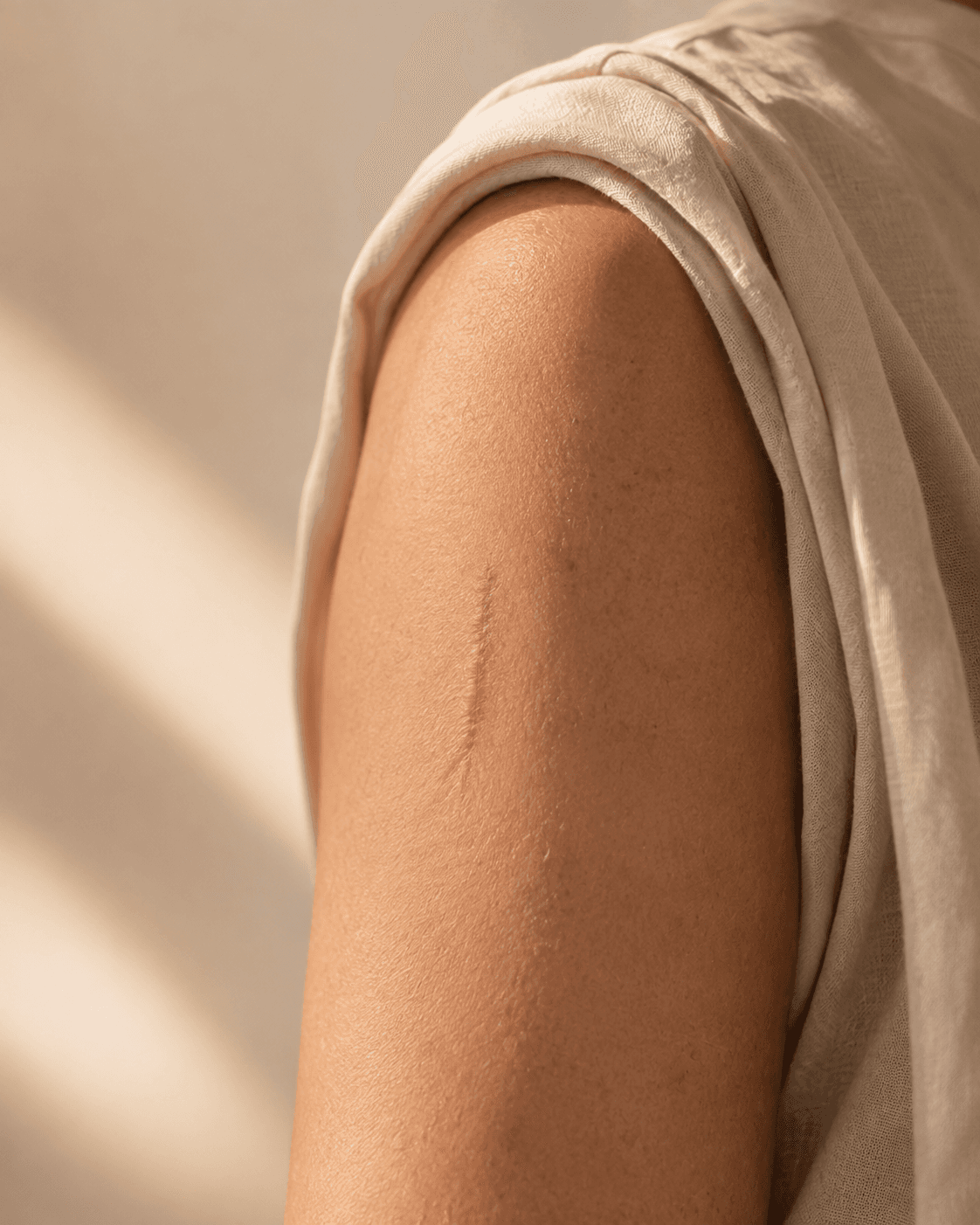
Daily protection is most sustainable when it becomes a system rather than a source of anxiety. Seek shade during intense exposure, use broad-spectrum sunscreen on uncovered skin, wear a hat and sunglasses, and choose tested UPF clothing where coverage is practical. Clothing can be especially useful for scars and sites that are difficult to reapply frequently, but advice about a newly healed surgical area should come from the treating clinician.
Sun protection does not need to erase travel, sport, the sea or time outdoors. It may simply change the conditions: earlier walks, shaded tables, sleeves that feel elegant, sunscreen kept where it will be used and regular dermatology appointments placed in the calendar rather than postponed.
A skin-cancer history can create vigilance without becoming a permanent state of fear. Protection is not a punishment for what happened before. It is a way of caring for the skin you live in now.