Altitude increases ambient UV, but passenger exposure is not equivalent to a pilot’s occupational dose.
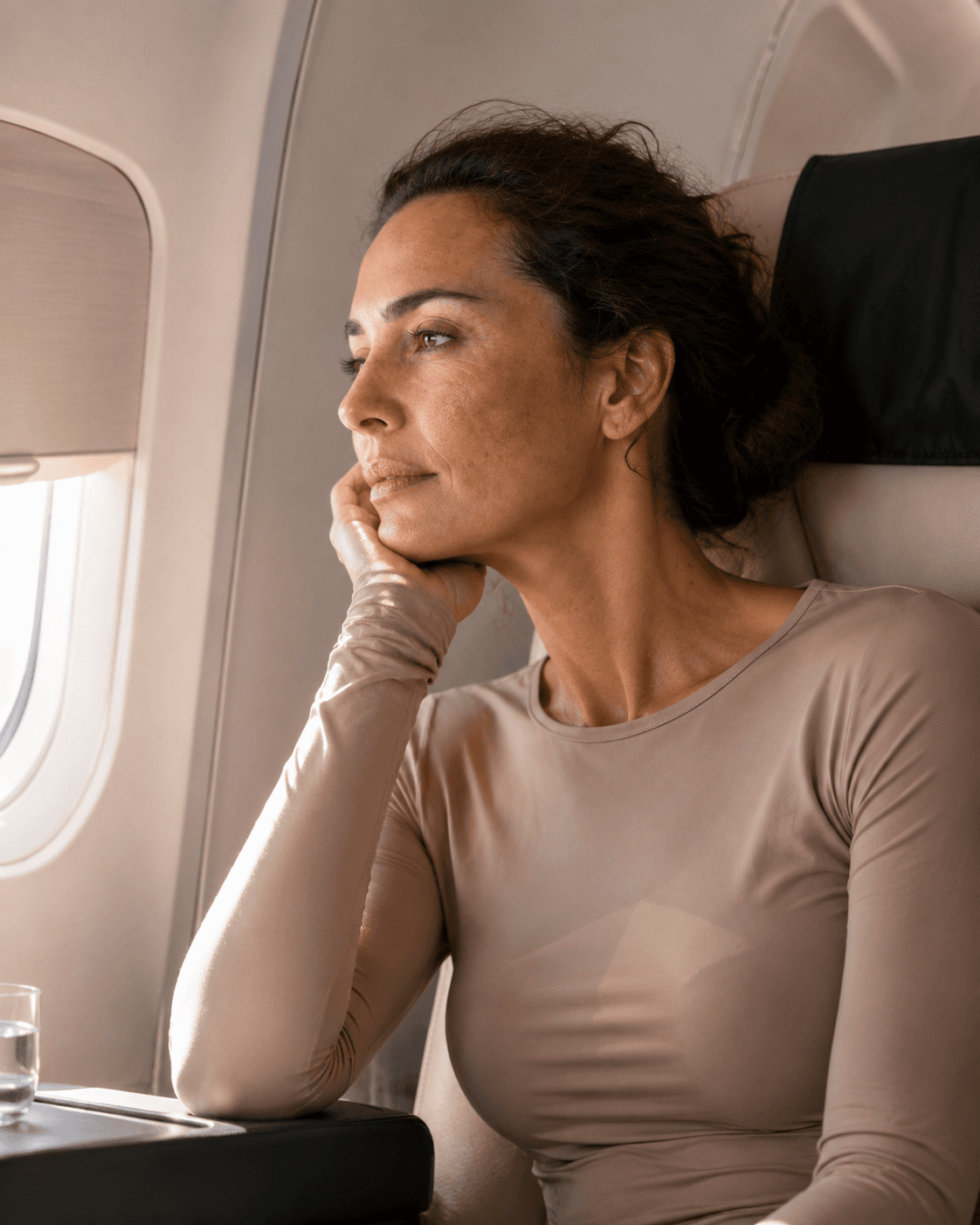
Solar ultraviolet radiation increases with altitude because there is less atmosphere above to absorb and scatter it. That fact has led to concern about exposure inside aircraft, especially beside a window. The answer depends on the aircraft, glazing, route, altitude, sun angle and the amount of time spent in direct light.
Aircraft windows generally block most UVB, while UVA transmission can vary with window material and construction. Measurements in pilot cockpits have detected UVA at cruising altitude through some acrylic windscreens. Studies of pilots and cabin crew also report higher melanoma incidence than the general population, but occupational studies cannot isolate one cause: flight crews differ in cumulative flying hours, cosmic-radiation exposure, travel patterns and recreational sun exposure.
These findings should not be converted into the claim that an occasional passenger flight causes skin cancer. A passenger’s exposure is usually shorter and less frequent than a pilot’s occupational exposure, and modern passenger windows differ across aircraft. Evidence is not strong enough to assign a precise personal cancer risk to a window seat.
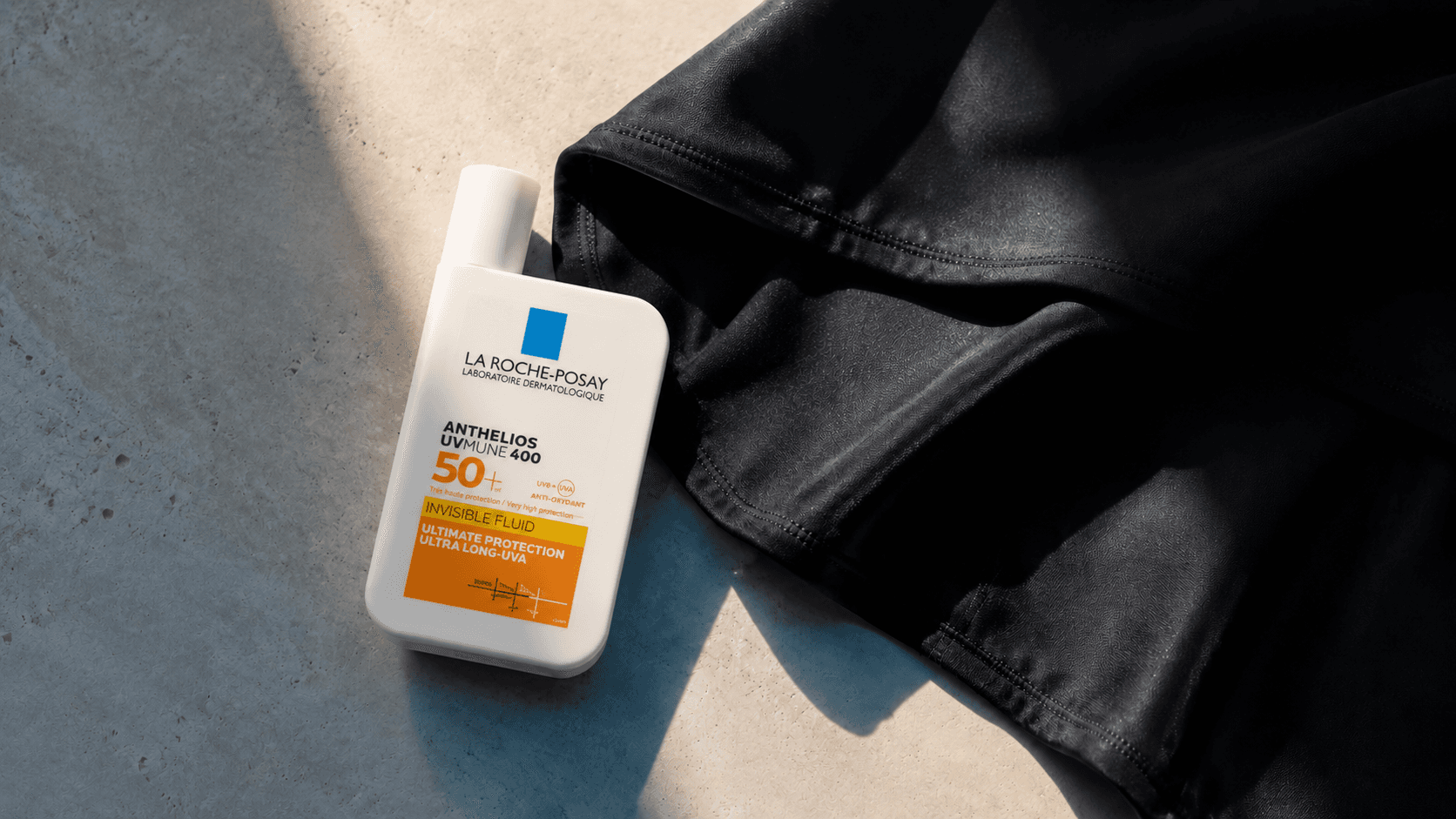
If direct sunlight falls on your skin for a sustained period, closing the shade is the simplest measure. Broad-spectrum sunscreen on exposed areas and covering the arms or hands are reasonable for long daytime flights, especially for people with photosensitive conditions, melasma or medical advice to practise strict photoprotection.
Flying changes exposure conditions; it does not require fear. Frequency, duration and individual susceptibility matter more than a single photograph of sunlight through a cabin window.