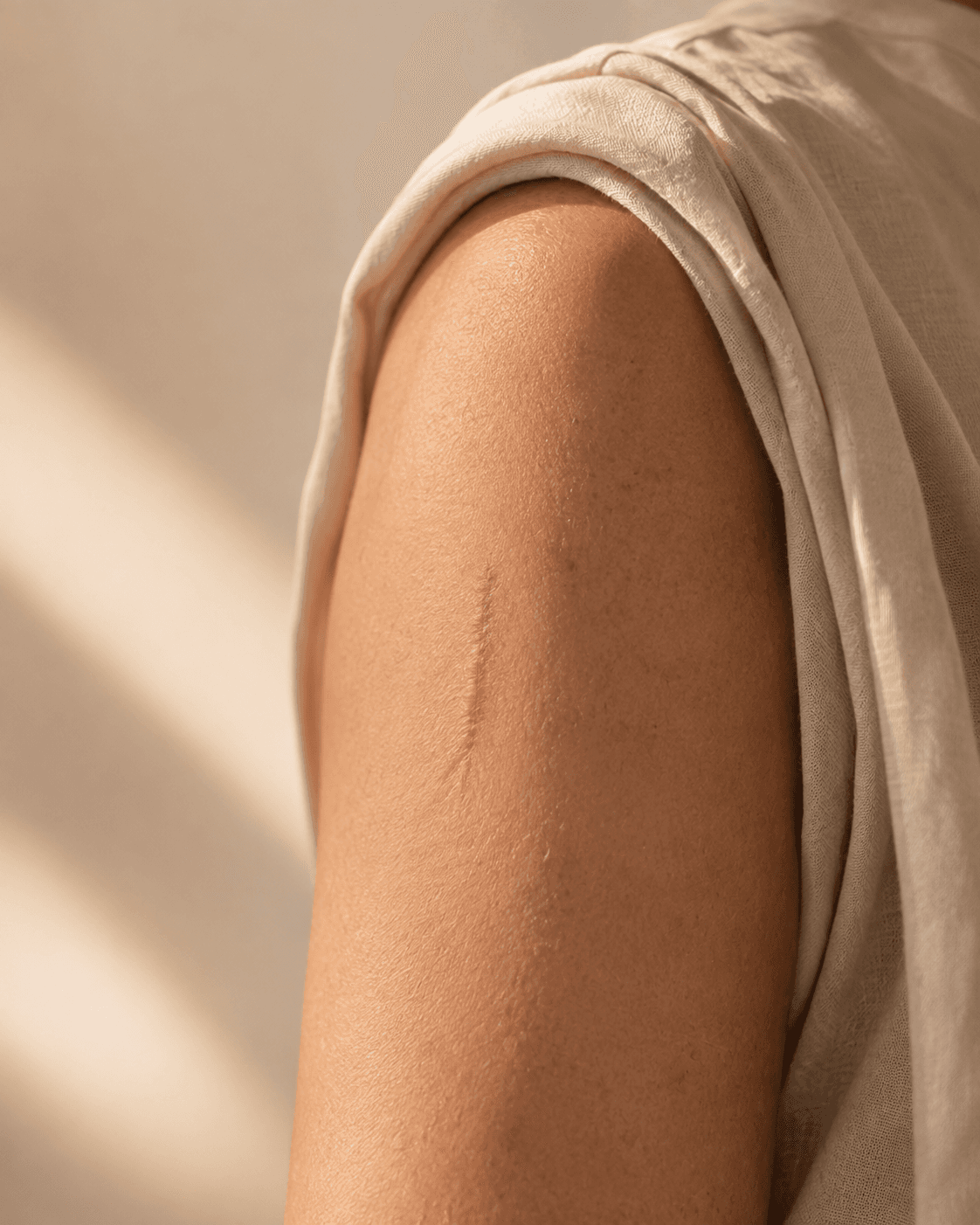
A healing scar can respond to sunlight differently from the surrounding skin, particularly during maturation.
A scar is not finished when the wound closes. Collagen continues to reorganise and the tissue may change in colour, thickness and flexibility for many months — sometimes two years or longer. During this period, a scar can be more vulnerable to sunburn and persistent colour change.
Ultraviolet exposure can stimulate pigmentation in and around a healing scar, making it darker and more visible. The response varies with skin tone, scar type, location, inflammation and the original injury or procedure. Sun exposure is not the only reason a scar becomes red, brown, raised or symptomatic, so a changing or troublesome scar should be reviewed rather than self-diagnosed.
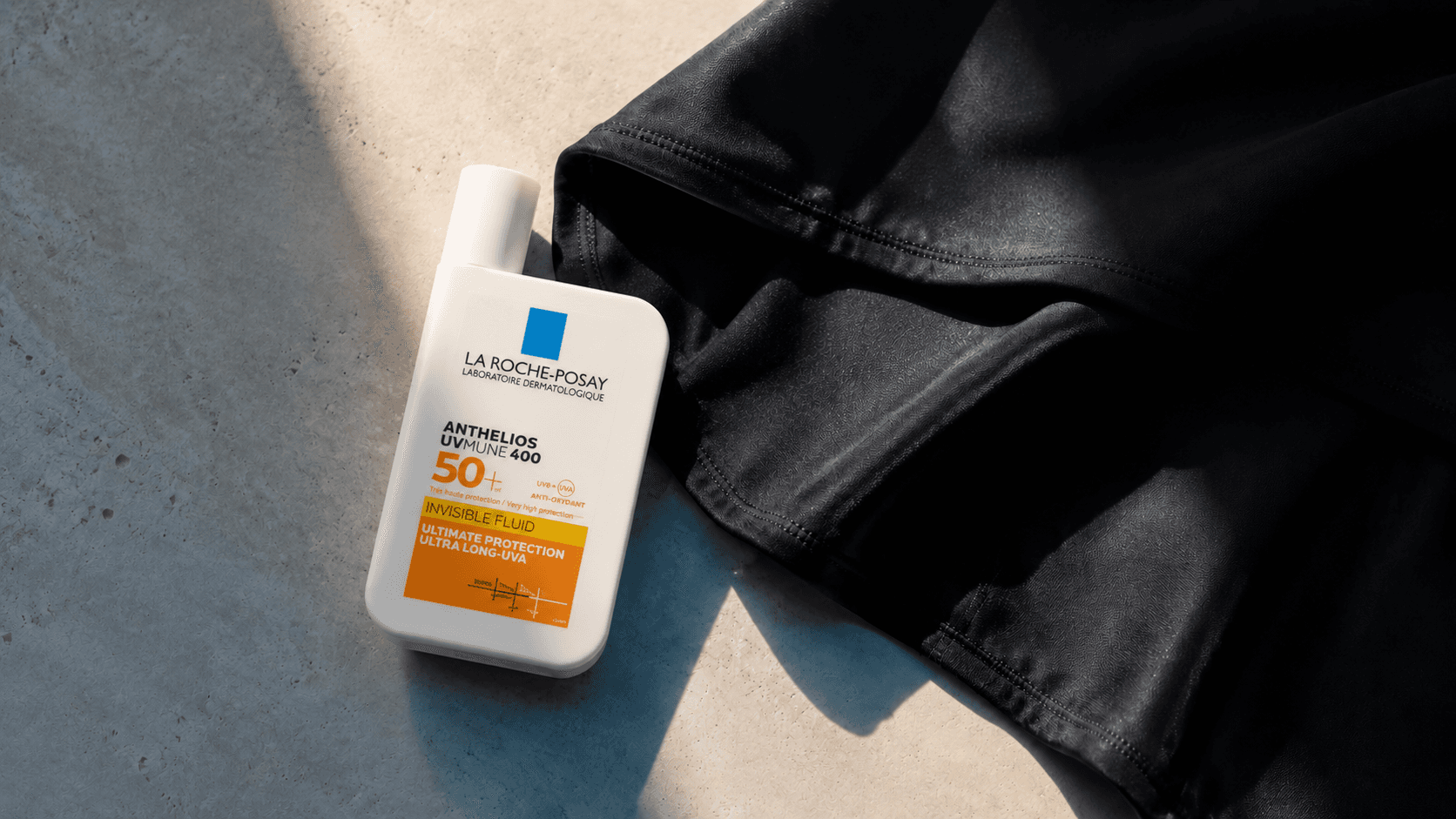
Clinical guidance commonly advises keeping new scars covered and using broad-spectrum sunscreen of at least SPF 30 once the skin has fully closed and the treating clinician says topical products are appropriate. Clothing, dressings or tested UPF fabric can provide useful physical coverage. Sunscreen should not be placed on an open wound unless specifically directed.
Recommendations about duration vary — often at least the first year — because scars and procedures differ. Follow the surgeon’s or dermatologist’s instructions, particularly after skin-cancer surgery, grafts, burns or laser treatment. Seek medical advice for increasing pain, warmth, bleeding, discharge, reopening or rapidly increasing thickness.
Sun protection cannot make a scar disappear. It can, however, reduce an avoidable source of inflammation and pigment contrast while the tissue matures.