A cool or cloudy day can still carry meaningful ultraviolet exposure. The UV Index gives a better guide.
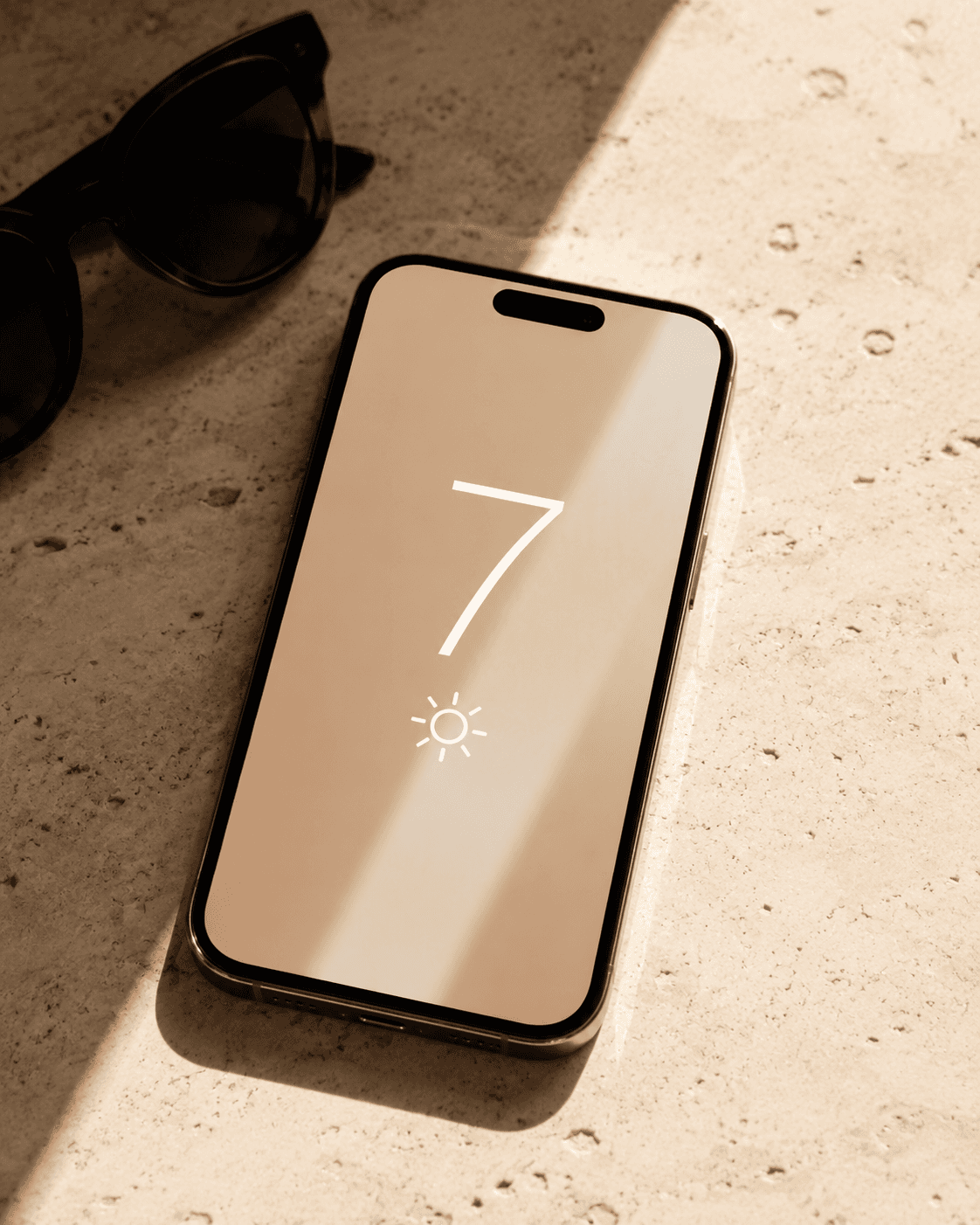
The UV Index is a standardised measure of the level of solar ultraviolet radiation expected at a particular place and time. It begins at zero and has no fixed upper limit. The higher the number, the greater the potential for damage to skin and eyes — and the less time it may take for that damage to occur.
Temperature is not part of the calculation. A bright winter day at altitude can produce substantial UV, while a hot late afternoon may have a lower UV Index than midday. Cloud cover can reduce exposure, but the effect varies with cloud type and conditions. This is why heat, brightness and the sensation of sunshine are unreliable substitutes for the index.
The daily value shown in many forecasts is usually the expected maximum around solar noon, not the level for every hour of the day. WHO recommends protective measures when the UV Index reaches 3 or above. As the value rises, shade, clothing, a hat, sunglasses and broad-spectrum sunscreen become increasingly important, especially during prolonged exposure.
The index does not calculate an individual ‘safe time’. Skin type, medication, altitude, reflection, previous exposure and the amount of protection used all matter. It should guide decisions, not become permission to stay outside until a countdown expires. People with photosensitive conditions or a history of skin cancer may need individual advice even when population guidance sounds reassuring.
A useful habit is to check UV as you check the weather, then dress for the exposure rather than the temperature alone. The WHO SunSmart Global UV app and national weather services provide location-based forecasts and protection times.