Some visible changes can improve. A history of ultraviolet exposure, however, cannot be made biologically irrelevant.
“Sun damage” is an umbrella term, not a single diagnosis. It may refer to freckles, uneven pigmentation, rough texture, wrinkles, loss of elasticity, visible vessels, actinic keratoses or DNA mutations in individual cells. These outcomes do not all respond to the same treatment, and the word “reverse” can easily promise more than science supports.
The encouraging part is that skin is dynamic. Some visible features of photoageing can improve. Randomised controlled trials have shown that topical tretinoin can reduce fine wrinkling, mottled hyperpigmentation and roughness in photodamaged skin. Improvement develops over months, and irritation is common. Prescription retinoids are not appropriate for everyone and require particular caution around pregnancy; individual medical advice matters.
Daily photoprotection can also change the trajectory. In a randomised Australian trial involving 903 adults, the group assigned daily sunscreen showed 24% less progression of skin ageing over 4.5 years than the group using sunscreen at their discretion. This supports prevention of further visible change; it does not prove that sunscreen removes existing mutations or eliminates future cancer risk.
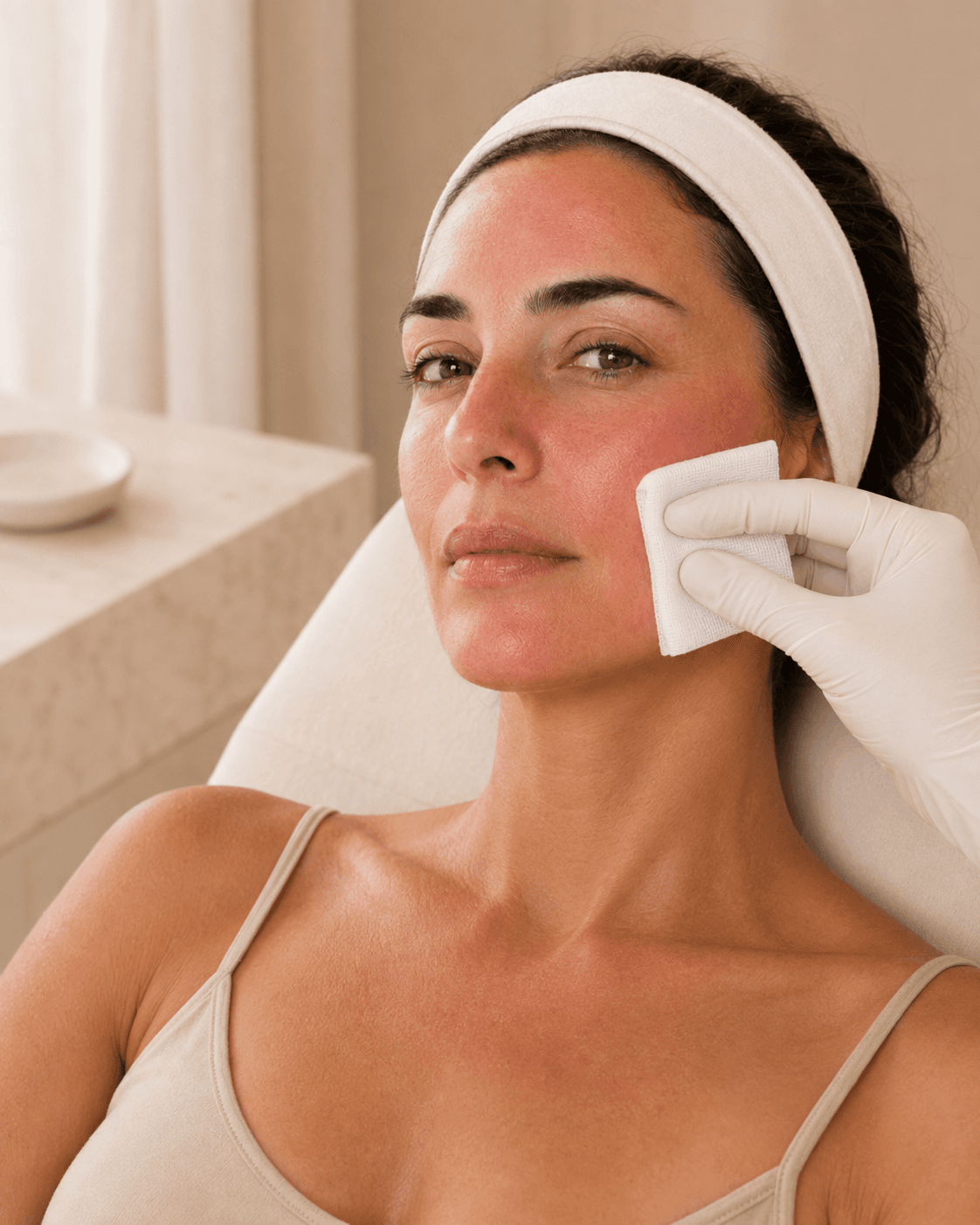
Procedures may improve specific signs. Lasers, intense pulsed light, chemical peels and resurfacing treatments can target pigment, texture or vessels, but outcomes depend on diagnosis, device, operator and skin type. They can also cause burns, scarring or post-inflammatory hyperpigmentation. A brown spot should be diagnosed before it is treated cosmetically, because not every pigmented lesion is benign.
Actinic keratoses deserve a separate category. They are rough, sun-related lesions with potential to progress to squamous cell carcinoma. They may require lesion-directed or field-directed medical treatment, not a cosmetic anti-ageing routine. A persistent scaly patch, sore that does not heal or changing lesion should be assessed by a clinician.
The most accurate answer is therefore both hopeful and limited: texture, pigmentation and fine lines may improve, and new damage can be reduced. Past exposure cannot be deleted, and no cream or procedure can guarantee that skin cancer will not develop. Prevention and surveillance remain relevant even when the skin looks better.